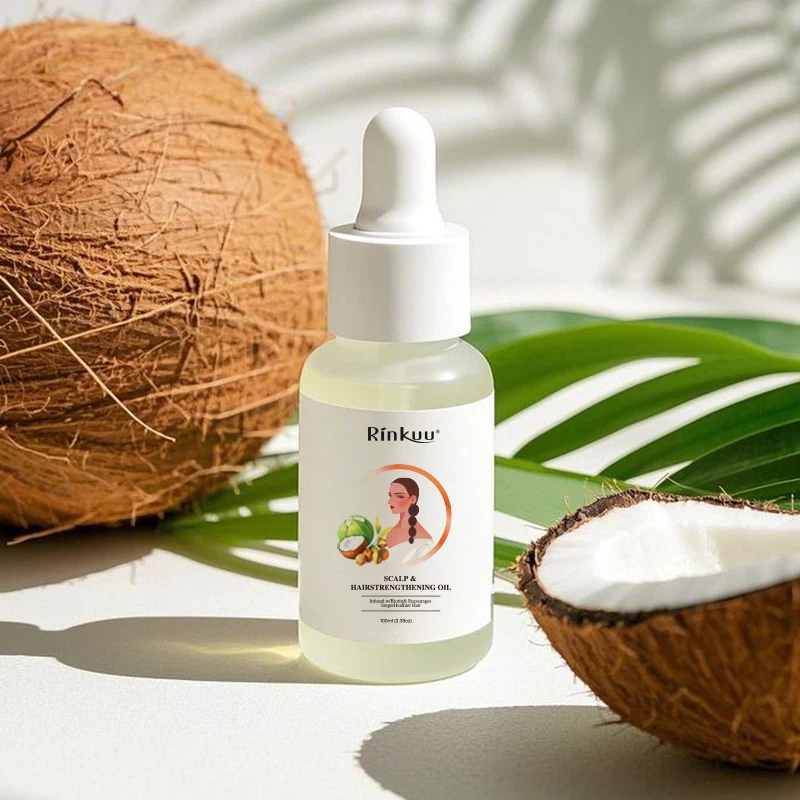
Hey there, fellow hair enthusiasts! If you've got oily hair, you know how tricky it can be to find the right hair oil. You might be thinking, "Oil for oily hair? Isn't that counterintuitive?" Well, not really. The right hair oil can actually balance your scalp's natural oil production and leave your hair looking and feeling great. As a hair oil supplier, I've seen firsthand the effects of different hair oils on oily hair, and I'm here to share my knowledge with you.
First things first, let's understand why our hair gets oily. Our scalps have sebaceous glands that produce sebum, which is a natural oil that lubricates and protects our hair and scalp. However, when these glands produce too much sebum, our hair can look greasy and limp. This can be caused by a variety of factors, including genetics, diet, stress, and hormonal changes.
Now, let's talk about the different types of hair oils that are suitable for oily hair.
Coconut Hair Oil
Coconut oil is one of the most popular hair oils out there, and for good reason. It's rich in lauric acid, which has antibacterial and antifungal properties that can help keep your scalp healthy. Coconut oil can also penetrate the hair shaft, providing deep conditioning and preventing protein loss. But what about using it on oily hair?
Well, the key is to use it sparingly. Coconut oil is a heavy oil, so if you use too much, it can weigh down your hair and make it look even oilier. I recommend using it as a hair mask once or twice a week. Simply warm up a small amount of coconut oil in your hands and apply it to the ends of your hair, avoiding the scalp. Leave it on for 30 minutes to an hour, then wash it out with a gentle shampoo. You can check out our Coconut Hair Conditioner for a convenient way to incorporate coconut oil into your hair care routine.
Tea Tree Oil
Tea tree oil is another great option for oily hair. It has powerful antiseptic and anti-inflammatory properties that can help reduce sebum production and soothe an itchy scalp. Tea tree oil can also help prevent dandruff and other scalp infections.


To use tea tree oil on your hair, you can add a few drops to your regular shampoo or conditioner. You can also make a DIY hair spray by mixing a few drops of tea tree oil with water in a spray bottle and spraying it on your scalp. Our Shampoo Tea Tree Oil is a great choice if you want a ready-to-use product that contains tea tree oil.
Moroccan Argan Oil
Moroccan argan oil is a lightweight, non-greasy oil that is rich in antioxidants, vitamins, and fatty acids. It can help nourish and hydrate your hair without making it look oily. Argan oil can also help reduce frizz and add shine to your hair.
To use argan oil on your hair, you can apply a small amount to the ends of your hair after washing and conditioning. You can also use it as a styling product to add a little extra shine and control. Our Moroccanoil Hair Oil is a high-quality argan oil that is perfect for oily hair.
Jojoba Oil
Jojoba oil is similar to the sebum produced by our scalps, which makes it a great choice for oily hair. It can help balance the scalp's oil production and prevent it from producing too much sebum. Jojoba oil is also rich in vitamins and minerals that can help nourish and strengthen your hair.
To use jojoba oil on your hair, you can apply a small amount to your scalp and massage it in. Leave it on for a few hours or overnight, then wash it out with a gentle shampoo. You can also add a few drops of jojoba oil to your regular conditioner for an extra boost of moisture.
Grapeseed Oil
Grapeseed oil is a light, non-greasy oil that is rich in antioxidants and vitamin E. It can help nourish and protect your hair from damage, while also reducing frizz and adding shine. Grapeseed oil is also a good choice for oily hair because it can help balance the scalp's oil production.
To use grapeseed oil on your hair, you can apply a small amount to the ends of your hair after washing and conditioning. You can also use it as a styling product to add a little extra shine and control.
So, which hair oil is best for oily hair? Well, it really depends on your individual needs and preferences. Each of these oils has its own unique benefits, so you may want to try a few different ones to see which one works best for you.
In addition to using the right hair oil, there are a few other things you can do to keep your oily hair under control. Here are some tips:
- Wash your hair regularly: This may seem obvious, but washing your hair regularly is one of the most important things you can do to keep it clean and oil-free. However, be careful not to over-wash your hair, as this can strip it of its natural oils and make it even oilier.
- Use a gentle shampoo: Look for a shampoo that is specifically formulated for oily hair. Avoid using shampoos that contain harsh chemicals or sulfates, as these can irritate your scalp and make your hair oilier.
- Avoid using too many styling products: Styling products like hairspray, mousse, and gel can make your hair look greasy and weighed down. If you need to use styling products, try to use them sparingly and choose products that are lightweight and oil-free.
- Eat a healthy diet: Eating a healthy diet that is rich in fruits, vegetables, and whole grains can help keep your hair and scalp healthy. Avoid eating too much junk food, as this can contribute to oily hair.
- Manage your stress: Stress can also contribute to oily hair. Try to find ways to manage your stress, such as exercise, meditation, or yoga.
If you're interested in purchasing high-quality hair oils for your oily hair, I'd love to hear from you. As a hair oil supplier, I can offer you a wide range of products at competitive prices. Whether you're looking for coconut oil, tea tree oil, argan oil, or any other type of hair oil, I've got you covered. So, don't hesitate to reach out and start a conversation about your hair oil needs. Let's work together to find the perfect solution for your oily hair.
References
- "The Benefits of Coconut Oil for Hair." Healthline.
- "Tea Tree Oil for Hair: Benefits and How to Use It." Medical News Today.
- "Moroccan Argan Oil: Benefits, Uses, and How to Choose." Byrdie.
- "Jojoba Oil for Hair: Benefits and How to Use It." WebMD.
- "Grapeseed Oil for Hair: Benefits and How to Use It." Verywell Health.