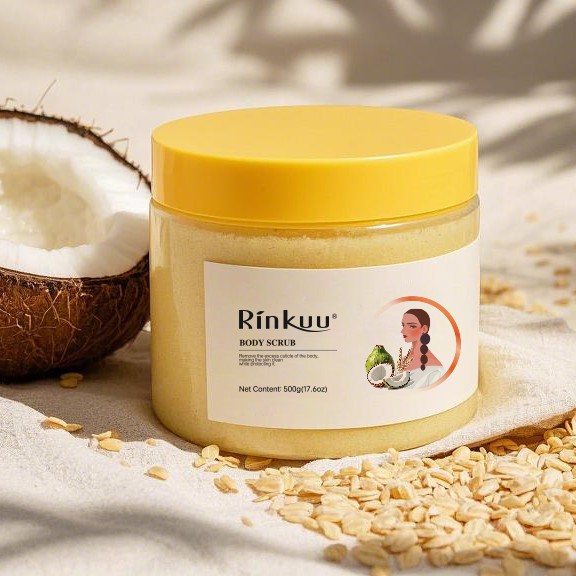
Flaky skin can be a persistent and frustrating issue for many people. It often results from a variety of factors, including dry weather, harsh soaps, certain skin conditions, and aging. The good news is that there are effective solutions available, and one such solution is the Coconut Oat Body Scrub. As a supplier of this amazing product, I'm excited to share with you how Coconut Oat Body Scrub works on flaky skin.
Understanding Flaky Skin
Before delving into how the Coconut Oat Body Scrub addresses flaky skin, it's essential to understand what causes it. Flaky skin occurs when the outermost layer of the skin, the stratum corneum, loses its moisture and begins to shed in small, visible pieces. This layer is responsible for protecting the skin from environmental damage, and when it becomes dry, it can't perform its function effectively.
Dry weather is one of the most common culprits. During the winter months, the air is colder and drier, which can draw moisture out of the skin. Harsh soaps and cleansers can also strip the skin of its natural oils, leaving it dry and prone to flaking. Certain skin conditions, such as eczema and psoriasis, can cause chronic flakiness, as can aging, which reduces the skin's ability to retain moisture.
The Composition of Coconut Oat Body Scrub
The Coconut Oat Body Scrub is a carefully formulated product that combines the natural benefits of coconut and oats to address the root causes of flaky skin. Let's take a closer look at the key ingredients and their roles.
Coconut Oil: Coconut oil is a rich source of medium-chain fatty acids, which have excellent moisturizing properties. These fatty acids can penetrate the skin easily, providing deep hydration and preventing moisture loss. Coconut oil also has antibacterial and anti - inflammatory properties, which can help soothe irritated skin often associated with flakiness.
Oats: Oats are a natural exfoliant and skin soother. They contain avenanthramides, which have anti - inflammatory and antioxidant effects. When used in a body scrub, oats gently remove dead skin cells from the surface of the skin, allowing new, healthy skin cells to emerge. This exfoliation process helps to improve the skin's texture and appearance, reducing the visibility of flaky patches.
Other Ingredients: In addition to coconut oil and oats, the Coconut Oat Body Scrub may contain other natural ingredients such as shea butter, honey, and essential oils. Shea butter is another powerful moisturizer that can help repair the skin's barrier function. Honey is a natural humectant, which means it attracts and retains moisture in the skin. Essential oils, such as lavender or chamomile, can provide a pleasant fragrance and also have calming and anti - inflammatory effects.
How Coconut Oat Body Scrub Works on Flaky Skin
The Coconut Oat Body Scrub works on flaky skin through a combination of exfoliation and moisturization.
Exfoliation: The oats in the scrub act as a gentle abrasive, effectively removing the dead, flaky skin cells from the surface of the skin. This process not only improves the skin's appearance but also allows the moisturizing ingredients to penetrate more deeply. By removing the layer of dead skin, the scrub reveals the fresh, healthy skin beneath, which is better able to absorb moisture and nutrients.
Moisturization: The coconut oil and other moisturizing ingredients in the scrub hydrate the skin and prevent further moisture loss. They form a protective barrier on the skin's surface, locking in moisture and keeping the skin soft and supple. This is especially important for flaky skin, which is often dehydrated and in need of extra moisture.

Soothing and Anti - Inflammatory Effects: The anti - inflammatory properties of oats and coconut oil help to soothe irritated skin. Flaky skin is often accompanied by redness and itching, and the natural ingredients in the scrub can reduce these symptoms. The essential oils in the scrub also contribute to its calming effects, making the scrub a pleasant and therapeutic experience.
Using Coconut Oat Body Scrub
To get the most out of the Coconut Oat Body Scrub, it's important to use it correctly. Here's a step - by - step guide:
- Wet Your Skin: Before applying the scrub, wet your skin in the shower or bath. Warm water helps to open up the pores, allowing the scrub to work more effectively.
- Apply the Scrub: Take a small amount of the Coconut Oat Body Scrub and gently massage it onto your skin in circular motions. Pay special attention to areas that are prone to flakiness, such as elbows, knees, and heels.
- Rinse Thoroughly: After massaging the scrub into your skin for a few minutes, rinse it off with warm water. Make sure to remove all of the scrub from your skin.
- Pat Dry: Gently pat your skin dry with a towel. Avoid rubbing, as this can irritate the skin.
- Moisturize: After using the scrub, apply a moisturizer to your skin to lock in the moisture. This will help to keep your skin hydrated and prevent further flakiness.
Comparing with Other Body Scrubs
While there are many body scrubs on the market, the Coconut Oat Body Scrub stands out for its natural ingredients and effectiveness on flaky skin. For example, the Sea Salt Caramel Body Scrub is another popular option. Sea salt is a powerful exfoliant, but it can be too harsh for some people with sensitive or flaky skin. In contrast, the oats in the Coconut Oat Body Scrub provide a gentler form of exfoliation, making it suitable for a wider range of skin types.
Conclusion
In conclusion, the Coconut Oat Body Scrub is an excellent solution for flaky skin. Its combination of exfoliation, moisturization, and soothing properties makes it an effective way to address the root causes of flakiness and improve the overall health and appearance of your skin.
If you're interested in purchasing our Coconut Oat Body Scrub or learning more about our products, please feel free to reach out for a procurement discussion. You can find more information about our Coconut Oat Body Scrub on our website.
References
- Draelos, Z. D. (2005). Moisturizers and cleansers. Journal of the American Academy of Dermatology, 52(5 Suppl 1), S84 - S95.
- Shenefelt, P. D. (2006). Natural moisturizing factors and their role in skin care. Journal of Drugs in Dermatology, 5(7), 634 - 638.
- Tagami, H. (2005). The stratum corneum: structure and function in health and disease. Journal of Dermatological Science, 39(1), 1 - 10.