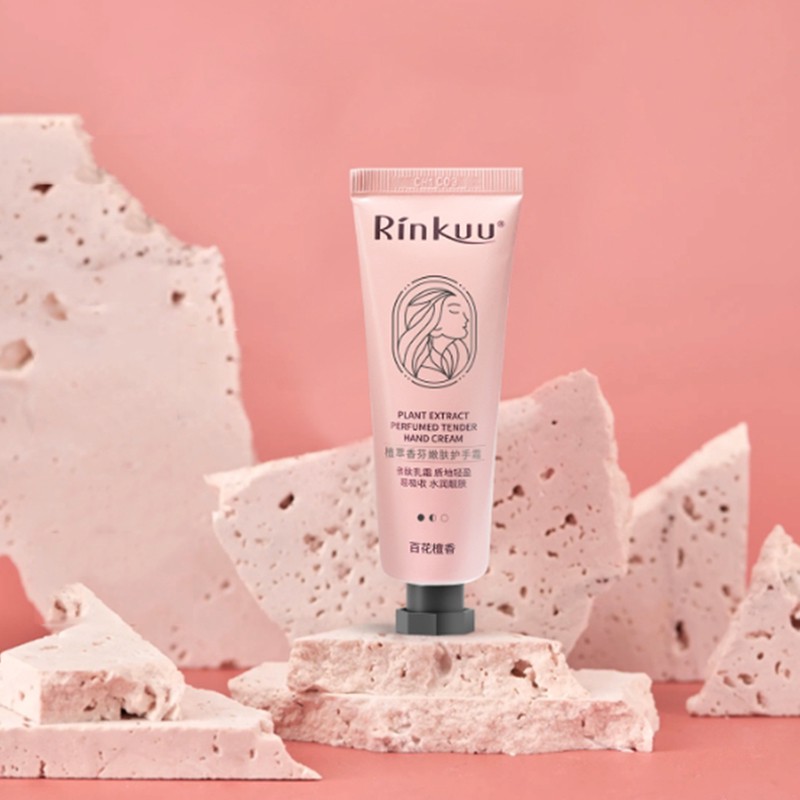
When it comes to skincare, collagen creams have gained significant popularity in recent years. As a supplier of the Best Collagen Cream, I've seen firsthand the enthusiasm consumers have for these products. Collagen is a protein that plays a crucial role in maintaining the skin's elasticity, firmness, and overall youthful appearance. However, like any skincare product, there are warnings and considerations that consumers should be aware of.
Allergic Reactions
One of the primary warnings associated with collagen creams is the potential for allergic reactions. Collagen can be derived from various sources, such as cows, pigs, fish, or even synthetic sources. Individuals with allergies to these sources may experience an allergic reaction when using a collagen cream. Symptoms of an allergic reaction can range from mild, such as itching, redness, and swelling, to severe, including difficulty breathing and anaphylaxis.
Before using a collagen cream, it's essential to check the product's ingredients list for any potential allergens. If you have a known allergy to a particular source of collagen or any other ingredient in the cream, it's best to avoid using it. Additionally, it's a good idea to perform a patch test on a small area of skin, such as the inner wrist or behind the ear, before applying the cream to your face or body. Leave the patch test on for 24 to 48 hours and monitor the area for any signs of an allergic reaction.
Skin Sensitivity
Another warning associated with collagen creams is skin sensitivity. Some individuals may have sensitive skin that is more prone to irritation, redness, and dryness. Collagen creams, especially those that contain high concentrations of collagen or other active ingredients, may cause skin sensitivity in these individuals.
If you have sensitive skin, it's important to choose a collagen cream that is formulated specifically for sensitive skin. Look for products that are labeled as "hypoallergenic," "fragrance-free," and "dermatologist-tested." These products are less likely to cause skin irritation and are generally safer for sensitive skin. Additionally, it's a good idea to start using the collagen cream gradually, applying it once or twice a week and gradually increasing the frequency as your skin adjusts.


Interaction with Other Skincare Products
Collagen creams may interact with other skincare products, especially those that contain certain active ingredients. For example, collagen creams may interact with products that contain retinol, alpha-hydroxy acids (AHAs), or beta-hydroxy acids (BHAs). These ingredients can increase the skin's sensitivity and may cause irritation when used in combination with a collagen cream.
Before using a collagen cream in combination with other skincare products, it's important to read the product labels carefully and consult with a dermatologist or skincare professional. They can provide you with guidance on how to use the products safely and effectively and can help you avoid any potential interactions.
Sun Sensitivity
Some collagen creams may contain ingredients that can increase the skin's sensitivity to the sun. For example, certain types of collagen, such as marine collagen, may contain photosensitive compounds that can make the skin more prone to sunburn and other sun-related damage.
If you're using a collagen cream that contains ingredients that can increase sun sensitivity, it's important to take extra precautions when exposed to the sun. Wear protective clothing, such as hats and sunglasses, and use a broad-spectrum sunscreen with a high sun protection factor (SPF). Additionally, it's a good idea to avoid sun exposure during the peak hours of the day, typically between 10 a.m. and 4 p.m.
Pregnancy and Breastfeeding
Pregnant and breastfeeding women should exercise caution when using collagen creams. While there is limited research on the safety of collagen creams during pregnancy and breastfeeding, some ingredients in these creams may pose a risk to the developing fetus or nursing infant.
Before using a collagen cream during pregnancy or breastfeeding, it's important to consult with your healthcare provider. They can provide you with guidance on the safety of using the product and can help you choose a collagen cream that is safe for you and your baby.
Quality and Purity
Not all collagen creams are created equal. Some products may contain low-quality or impure collagen, which may not be as effective or may even cause harm to the skin. As a supplier of the Best Collagen Cream, I take great pride in ensuring the quality and purity of our products.
When choosing a collagen cream, it's important to look for products that are made from high-quality, pure collagen. Look for products that are labeled as "pharmaceutical-grade" or "medical-grade," as these products are typically held to higher standards of quality and purity. Additionally, it's a good idea to choose a product that is manufactured by a reputable company that has a proven track record of producing high-quality skincare products.
Conclusion
Collagen creams can be a great addition to your skincare routine, but it's important to be aware of the warnings and considerations associated with these products. By taking the time to understand the potential risks and benefits of using a collagen cream, you can make an informed decision about whether it's the right product for you.
If you're interested in learning more about our Best Collagen Cream or have any questions about using collagen creams safely and effectively, please don't hesitate to contact us. We're here to help you achieve healthy, beautiful skin.
References
- American Academy of Dermatology. (n.d.). Skin allergies. Retrieved from https://www.aad.org/public/diseases/allergic-skin-conditions/skin-allergies
- Mayo Clinic. (n.d.). Sunscreen: How to choose the right one. Retrieved from https://www.mayoclinic.org/healthy-lifestyle/adult-health/in-depth/sunscreen/art-20045684
- WebMD. (n.d.). Collagen: Uses, side effects, interactions, dosage, and warnings. Retrieved from https://www.webmd.com/vitamins/ai/ingredientmono-1014/collagen