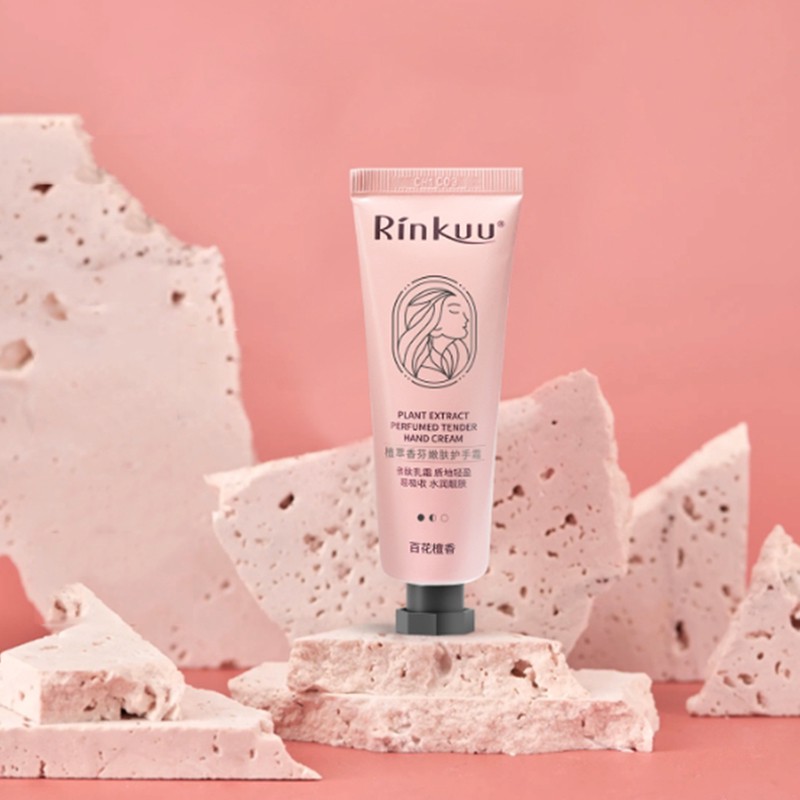
In the realm of skincare, a good moisturizer is like a secret weapon for maintaining healthy, hydrated, and radiant skin. As a dedicated moisturizer supplier, I've delved deep into the world of natural ingredients that make up the best moisturizers. These ingredients not only provide essential hydration but also offer a plethora of other benefits, from anti - aging to soothing irritated skin. In this blog, I'll explore some of the most effective natural ingredients found in high - quality moisturizers.
Aloe Vera
Aloe vera is a well - known plant with a long history of use in skincare. It is a succulent plant that stores water in its leaves, making it an excellent natural moisturizer. Aloe vera contains polysaccharides, which can attract and retain water in the skin. This helps to keep the skin hydrated and plump, reducing the appearance of fine lines and wrinkles.


Moreover, aloe vera has anti - inflammatory properties. It can soothe irritated skin, making it a great ingredient for those with sensitive skin or skin conditions such as eczema and psoriasis. When used in a moisturizer, aloe vera can create a protective barrier on the skin's surface, preventing moisture loss and shielding the skin from environmental stressors.
Our Coconut Oatmeal Hydrating Facial Cream incorporates aloe vera to provide gentle yet effective hydration. The combination of aloe vera with coconut and oatmeal creates a rich, nourishing formula that is suitable for all skin types, especially sensitive skin.
Shea Butter
Shea butter is derived from the nuts of the shea tree, native to Africa. It is a rich source of fatty acids and vitamins, including vitamins A, E, and F. These nutrients work together to moisturize and protect the skin.
The fatty acids in shea butter help to repair the skin's natural barrier, preventing moisture from escaping. This makes it an ideal ingredient for dry skin, as it can lock in moisture and leave the skin feeling soft and smooth. Vitamin A in shea butter promotes cell regeneration, which can help to reduce the appearance of scars and improve skin texture. Vitamin E is a powerful antioxidant that can protect the skin from free radicals, which are responsible for premature aging.
Shea butter is also known for its anti - inflammatory and emollient properties. It can soothe dry, itchy skin and reduce redness. Our moisturizers that contain shea butter, such as the Best Collagen Cream, offer deep - penetrating moisture and long - lasting protection.
Jojoba Oil
Jojoba oil is a liquid wax that is extracted from the seeds of the jojoba plant. It is similar in composition to the skin's natural sebum, which makes it easily absorbed by the skin without leaving a greasy residue.
Jojoba oil is rich in vitamins and minerals, including vitamin E, B - complex vitamins, zinc, and copper. These nutrients have antioxidant and anti - inflammatory properties, which can help to protect the skin from damage and reduce inflammation.
One of the key benefits of jojoba oil in a moisturizer is its ability to balance the skin's oil production. For those with oily skin, jojoba oil can trick the skin into thinking it has produced enough sebum, thus reducing the over - production of oil. At the same time, it provides essential hydration to dry areas of the skin.
Our Vitamin E Moisture Day Cream features jojoba oil to provide lightweight, non - greasy moisture. The addition of vitamin E enhances the antioxidant protection, keeping the skin looking healthy and youthful.
Hyaluronic Acid
Hyaluronic acid is a naturally occurring substance in the body that plays a crucial role in maintaining skin hydration. It has the ability to hold up to 1000 times its weight in water, making it one of the most effective moisturizing ingredients available.
As we age, the production of hyaluronic acid in the body decreases, leading to dry, dull, and wrinkled skin. By incorporating hyaluronic acid into a moisturizer, we can replenish the skin's moisture levels and restore its plumpness and elasticity.
Hyaluronic acid works by attracting water to the skin's surface and binding it to the skin cells. This creates a smooth, hydrated appearance and reduces the visibility of fine lines and wrinkles. It also helps to improve the skin's texture and tone, leaving it looking more radiant.
In our moisturizers, hyaluronic acid is often combined with other natural ingredients to enhance its moisturizing effects. For example, in the Coconut Oatmeal Hydrating Facial Cream, hyaluronic acid works in tandem with coconut and oatmeal to provide intense hydration and a soothing effect.
Green Tea Extract
Green tea is rich in antioxidants, particularly catechins. These antioxidants have been shown to have numerous benefits for the skin. They can protect the skin from free radicals, which are produced by environmental factors such as UV radiation, pollution, and smoking. Free radicals can damage the skin cells, leading to premature aging, wrinkles, and dark spots.
Green tea extract also has anti - inflammatory properties. It can reduce redness and swelling in the skin, making it beneficial for those with acne - prone or sensitive skin. Additionally, it can help to regulate sebum production, which is important for maintaining a balanced complexion.
When included in a moisturizer, green tea extract can enhance the overall health of the skin. It can improve the skin's resilience and give it a more youthful appearance. Our Vitamin E Moisture Day Cream contains green tea extract to provide antioxidant protection and a calming effect on the skin.
Chamomile Extract
Chamomile is a herb that has been used for centuries for its medicinal and calming properties. In skincare, chamomile extract is a popular ingredient due to its anti - inflammatory and soothing effects.
Chamomile extract can reduce redness, itching, and irritation in the skin. It is particularly beneficial for sensitive and dry skin types. It contains flavonoids, which have antioxidant properties and can help to protect the skin from damage.
In our moisturizers, chamomile extract is often used in combination with other natural ingredients to create a gentle and effective formula. For example, in the Coconut Oatmeal Hydrating Facial Cream, chamomile extract works with coconut and oatmeal to soothe and hydrate the skin, leaving it feeling refreshed and comfortable.
Conclusion
As a moisturizer supplier, I am committed to using the highest - quality natural ingredients in our products. The natural ingredients mentioned above, such as aloe vera, shea butter, jojoba oil, hyaluronic acid, green tea extract, and chamomile extract, offer a wide range of benefits for the skin. They provide essential hydration, protect the skin from damage, reduce inflammation, and improve the overall appearance of the skin.
Whether you have dry, oily, sensitive, or combination skin, our moisturizers are formulated to meet your specific needs. Our Vitamin E Moisture Day Cream, Coconut Oatmeal Hydrating Facial Cream, and Best Collagen Cream are just a few examples of our high - quality products that incorporate these natural ingredients.
If you are interested in purchasing our moisturizers or would like to discuss potential business opportunities, we welcome you to reach out for procurement and negotiation. We are always ready to provide you with more information and support to meet your skincare needs.
References
- Draelos, Z. D. (2005). Cosmeceuticals: Drugs or cosmetics?. Journal of the American Academy of Dermatology, 53(1), S5 - S10.
- Kligman, A. M. (1979). Cosmetics as skin therapy. Journal of the American Academy of Dermatology, 1(3), 273 - 286.
- Leyden, J. J., & Kligman, A. M. (1975). The skin barrier: Ultrastructure and function. Journal of Investigative Dermatology, 65(2), 130 - 141.