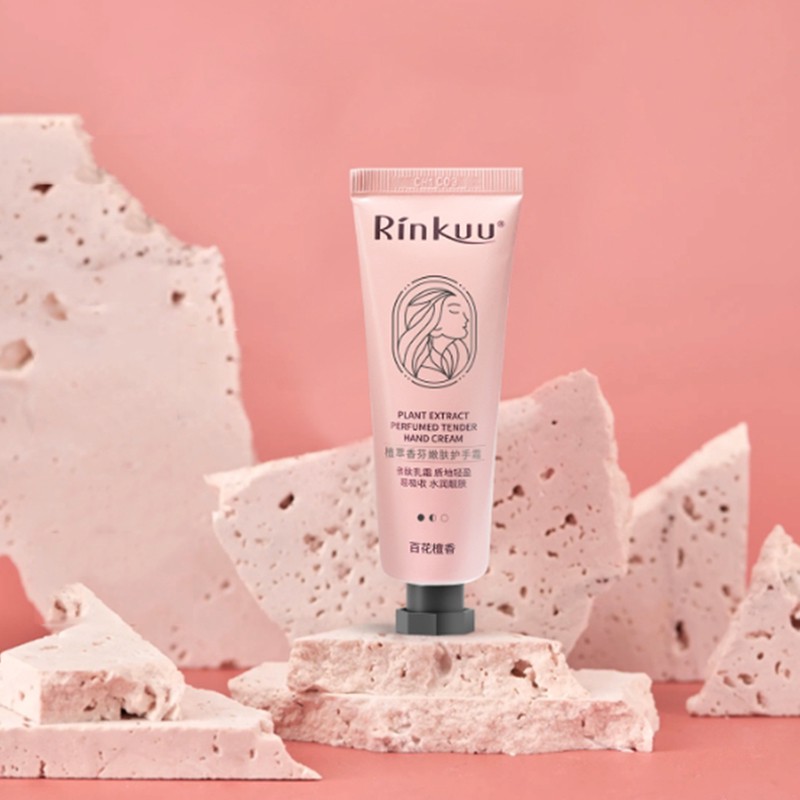
How often should I use a moisturizer? This is a question that many people ask when it comes to their skincare routine. As a moisturizer supplier, I've seen firsthand the impact that proper moisturization can have on the skin. In this blog, I'll explore the factors that influence how often you should use a moisturizer and provide some guidelines to help you make the best decision for your skin.
Understanding the Importance of Moisturizers
Before diving into the frequency of moisturizer use, it's essential to understand why moisturizers are so important. Our skin is the body's largest organ, and it acts as a protective barrier against environmental factors such as pollution, UV rays, and harsh weather conditions. However, this barrier can become compromised over time, leading to dryness, irritation, and premature aging.
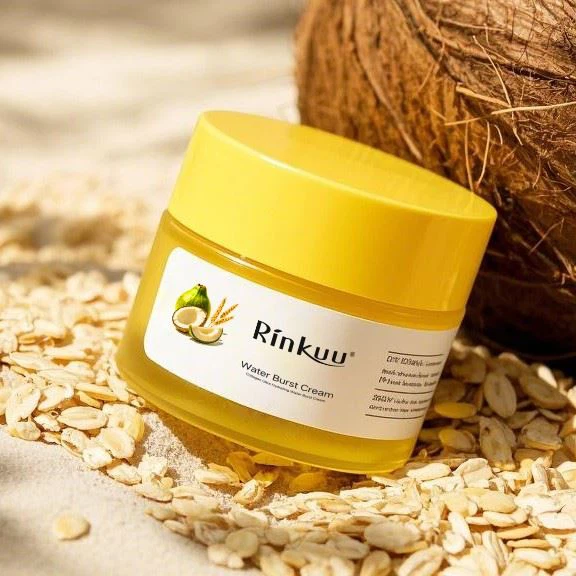

Moisturizers work by hydrating the skin and preventing water loss. They contain ingredients such as humectants (which attract water to the skin), emollients (which smooth and soften the skin), and occlusives (which form a protective layer on the skin's surface). By using a moisturizer regularly, you can keep your skin hydrated, healthy, and looking its best.
Factors That Influence How Often to Use a Moisturizer
The frequency of moisturizer use depends on several factors, including your skin type, age, lifestyle, and the climate you live in. Let's take a closer look at each of these factors:
Skin Type
- Dry Skin: People with dry skin typically need to use a moisturizer more frequently than those with other skin types. Dry skin lacks natural oils and moisture, making it more prone to flakiness, itching, and irritation. To keep dry skin hydrated, it's recommended to use a moisturizer at least twice a day, preferably after cleansing and exfoliating. Look for moisturizers that are rich in emollients and occlusives, such as shea butter, cocoa butter, and petrolatum. Vitamin E Moisture Day Cream is an excellent choice for dry skin, as it contains vitamin E, which is known for its hydrating and antioxidant properties.
- Oily Skin: Oily skin produces excess sebum, which can make the skin look shiny and greasy. While it may seem counterintuitive, people with oily skin still need to use a moisturizer to keep their skin balanced. However, they should choose a lightweight, oil-free moisturizer that won't clog pores. Using a moisturizer once or twice a day is usually sufficient for oily skin. Best Collagen Cream is a great option for oily skin, as it contains collagen, which helps to firm and tighten the skin without adding extra oil.
- Combination Skin: Combination skin is a mix of dry and oily skin, with the T-zone (forehead, nose, and chin) being oilier than the rest of the face. People with combination skin should use a moisturizer that is suitable for their specific skin needs. For the T-zone, a lightweight, oil-free moisturizer can be used, while a richer moisturizer can be applied to the drier areas of the face. Using a moisturizer twice a day is generally recommended for combination skin.
- Sensitive Skin: Sensitive skin is easily irritated and may react to certain ingredients in moisturizers. When choosing a moisturizer for sensitive skin, it's important to look for products that are fragrance-free, hypoallergenic, and gentle. Using a moisturizer once or twice a day can help to soothe and protect sensitive skin. Coconut Oatmeal Hydrating Facial Cream is a great choice for sensitive skin, as it contains coconut oil and oatmeal, which are known for their calming and moisturizing properties.
Age
As we age, our skin undergoes several changes, including a decrease in collagen production, a thinning of the skin, and a reduction in the skin's ability to retain moisture. These changes can make the skin more prone to dryness, wrinkles, and other signs of aging. To combat these effects, older adults may need to use a moisturizer more frequently than younger people. Using a moisturizer twice a day or more may be necessary to keep the skin hydrated and healthy.
Lifestyle
Your lifestyle can also affect how often you need to use a moisturizer. If you spend a lot of time outdoors, especially in harsh weather conditions such as extreme heat, cold, or wind, your skin may become dry and dehydrated more quickly. In this case, it's important to use a moisturizer more frequently to protect your skin from the elements. Similarly, if you exercise regularly or sweat a lot, you may need to reapply moisturizer to keep your skin hydrated.
Climate
The climate you live in can also play a role in how often you should use a moisturizer. In dry climates, the air lacks moisture, which can cause the skin to lose water more quickly. In this case, it's recommended to use a moisturizer more frequently to keep the skin hydrated. On the other hand, in humid climates, the air contains more moisture, which can help to keep the skin hydrated. However, you may still need to use a moisturizer to protect your skin from other environmental factors such as pollution and UV rays.
General Guidelines for Moisturizer Use
Based on the factors discussed above, here are some general guidelines for how often to use a moisturizer:
- Morning Routine: Start your day by cleansing your face with a gentle cleanser. Pat your skin dry with a soft towel, and then apply a moisturizer to your face and neck. This will help to hydrate your skin and prepare it for the day ahead.
- Evening Routine: Before going to bed, remove your makeup and cleanse your face again. Apply a moisturizer to your face and neck to help repair and hydrate your skin while you sleep.
- After Showering or Bathing: After showering or bathing, your skin is at its most receptive to moisture. Pat your skin dry with a towel, leaving it slightly damp, and then apply a moisturizer to lock in the moisture.
- Throughout the Day: If your skin feels dry or tight during the day, you can reapply moisturizer as needed. This is especially important if you're spending a lot of time outdoors or in a dry environment.
Tips for Choosing the Right Moisturizer
Choosing the right moisturizer for your skin type and needs is essential for achieving the best results. Here are some tips to help you choose the right moisturizer:
- Read the Label: Look for moisturizers that contain ingredients that are suitable for your skin type. For example, if you have dry skin, look for products that contain emollients and occlusives. If you have oily skin, look for products that are oil-free and non-comedogenic.
- Test the Product: Before using a new moisturizer, test it on a small area of your skin, such as the inside of your wrist or behind your ear. Wait 24 hours to see if you have any allergic reactions or skin irritation.
- Consider Your Lifestyle: If you're active or spend a lot of time outdoors, look for moisturizers that offer protection against the elements, such as sunscreen or antioxidants.
- Consult a Dermatologist: If you have any skin concerns or conditions, such as acne, eczema, or psoriasis, it's best to consult a dermatologist for personalized advice on choosing the right moisturizer.
Conclusion
In conclusion, how often you should use a moisturizer depends on several factors, including your skin type, age, lifestyle, and the climate you live in. By understanding these factors and following the general guidelines outlined in this blog, you can determine the best frequency of moisturizer use for your skin. Remember, using a moisturizer regularly is an essential part of a healthy skincare routine, and it can help to keep your skin hydrated, healthy, and looking its best.
If you're interested in purchasing high-quality moisturizers for your skincare needs, we invite you to contact us for more information and to discuss potential procurement opportunities. Our team of experts is dedicated to providing you with the best products and services to meet your requirements.
References
- American Academy of Dermatology. (n.d.). Moisturizers: How to choose the right one. Retrieved from [Website URL]
- Mayo Clinic. (n.d.). Moisturizers: How to choose the right one for your skin. Retrieved from [Website URL]
- WebMD. (n.d.). Moisturizers: What they are and how they work. Retrieved from [Website URL]