Hey there! As a hand cream supplier, I've gotten tons of questions about how our hand creams interact with water-based products. It's a super interesting topic, and I'm stoked to dive deep into it with you all.
First off, let's talk about what hand cream is and what water-based products are in general. Hand cream is a moisturizing product that's designed to keep your hands soft, smooth, and hydrated. It usually contains a blend of oils, waxes, and other emollients that create a protective barrier on your skin. On the other hand, water-based products are, well, mainly made up of water. Think of things like toners, serums, and water-based moisturizers. They're great for adding a quick hit of hydration to your skin.
So, how do these two types of products interact? Well, it all comes down to the ingredients and the way they work on your skin. When you apply a water-based product first, it penetrates the skin quickly, delivering hydration to the deeper layers. But here's the thing: water evaporates pretty fast. That's where hand cream comes in. When you apply hand cream on top of a water-based product, it seals in the moisture, preventing it from evaporating too quickly.
Let's take a closer look at some of our amazing hand creams and how they interact with water-based products. Take our Midnight Allure Hand Cream. This bad boy is packed with rich, nourishing oils like shea butter and jojoba oil. When you use it after a water-based toner or serum, it forms a smooth, protective layer on your hands. The water-based product gets absorbed into your skin, and then the hand cream locks it in, leaving your hands feeling super soft and moisturized for hours.


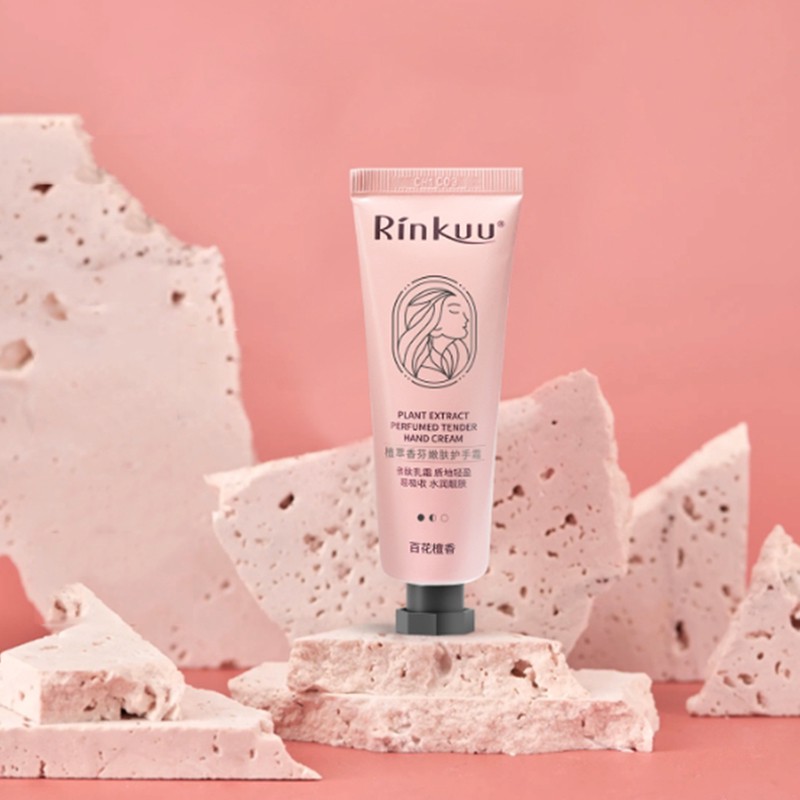
Another great option is our Floral Sandalwood Hand Cream. It has a lovely floral scent, but more importantly, it contains natural ingredients that are great for your skin. When combined with a water-based product, it enhances the moisturizing effect. The water-based product preps your skin by hydrating it, and the hand cream then adds an extra layer of protection and nourishment.
And don't forget about our Petals Hand Cream. This one is perfect for those with sensitive skin. It's gentle yet effective. When used in conjunction with a water-based moisturizer, it helps to soothe and hydrate your hands. The water-based moisturizer provides immediate hydration, and the hand cream ensures that the moisture stays in your skin, reducing dryness and irritation.
Now, let's talk about the science behind this interaction. The oils and waxes in hand cream create a hydrophobic (water-repelling) barrier on your skin. When you apply a water-based product first, the water molecules are absorbed into your skin. Then, when you apply the hand cream, the hydrophobic barrier prevents the water from escaping. This is known as occlusion. It's like putting a lid on a pot to keep the steam inside.
But it's not just about applying the products in the right order. You also need to make sure you're using the right amount. If you use too much hand cream, it can feel greasy and heavy on your hands. On the other hand, if you don't use enough, it won't be able to seal in the moisture effectively. A good rule of thumb is to use a pea-sized amount of hand cream and gently massage it into your hands until it's fully absorbed.
One thing to keep in mind is that different skin types may react differently to the combination of hand cream and water-based products. For example, if you have oily skin, you may want to use a lighter water-based product and a thinner hand cream. This way, you can still get the benefits of both products without making your hands feel too greasy. If you have dry skin, you can go for a more moisturizing water-based product and a thicker hand cream to really lock in the moisture.
In addition to the moisturizing benefits, using hand cream with water-based products can also improve the overall texture of your hands. The water-based product helps to plump up your skin cells, making your hands look smoother and more youthful. The hand cream then adds a layer of softness and smoothness, giving your hands a healthy, radiant glow.
So, whether you're looking to keep your hands hydrated during the dry winter months or just want to give them some extra love and care, combining hand cream with water-based products is a great way to go. Our hand creams are formulated with high-quality ingredients that are safe and effective for your skin.
If you're interested in learning more about our hand creams or want to place an order for your store or business, we'd love to hear from you. We're always happy to have a chat about our products and how they can benefit your customers. Whether you're a small boutique or a large chain store, we can work with you to find the right hand cream solutions for your needs.
In conclusion, the interaction between hand cream and water-based products is a powerful combination that can transform the health and appearance of your hands. By understanding how these products work together, you can make the most of their benefits and keep your hands looking and feeling their best.
References
- Cosmetic Ingredient Handbook: This handbook provides detailed information about the ingredients commonly used in hand creams and water-based products.
- Journal of Dermatological Science: Articles in this journal often cover research on skin hydration and the effects of different skincare products.
- Skin Care Formulation Guide: A useful resource for understanding the science behind formulating hand creams and water-based products.