Body lotion is a staple in many people's skincare routines, offering a range of benefits from moisturizing dry skin to providing a pleasant fragrance. As a body lotion supplier, I've witnessed firsthand the transformative power of these products. In this blog post, I'll delve into the science behind how body lotion works, exploring its key ingredients, mechanisms of action, and the different types available.
The Skin's Barrier Function
Before we understand how body lotion works, it's essential to grasp the skin's natural barrier function. The outermost layer of the skin, known as the stratum corneum, acts as a protective shield against external factors such as bacteria, viruses, and environmental pollutants. It also helps to prevent water loss from the body, keeping the skin hydrated and supple.
However, various factors can disrupt the skin's barrier function, leading to dryness, irritation, and other skin problems. These factors include harsh soaps, hot water, low humidity, and certain medical conditions. When the skin's barrier is compromised, it becomes more vulnerable to moisture loss, which can result in dry, flaky, and itchy skin.
How Body Lotion Works
Body lotion works by replenishing the skin's moisture levels and strengthening its barrier function. It typically contains a combination of emollients, humectants, and occlusives, each playing a crucial role in moisturizing and protecting the skin.
Emollients
Emollients are substances that help to smooth and soften the skin by filling in the gaps between skin cells. They work by forming a thin layer on the skin's surface, preventing water loss and improving the skin's texture. Common emollients found in body lotion include mineral oil, petrolatum, lanolin, and plant oils such as coconut oil, almond oil, and jojoba oil.
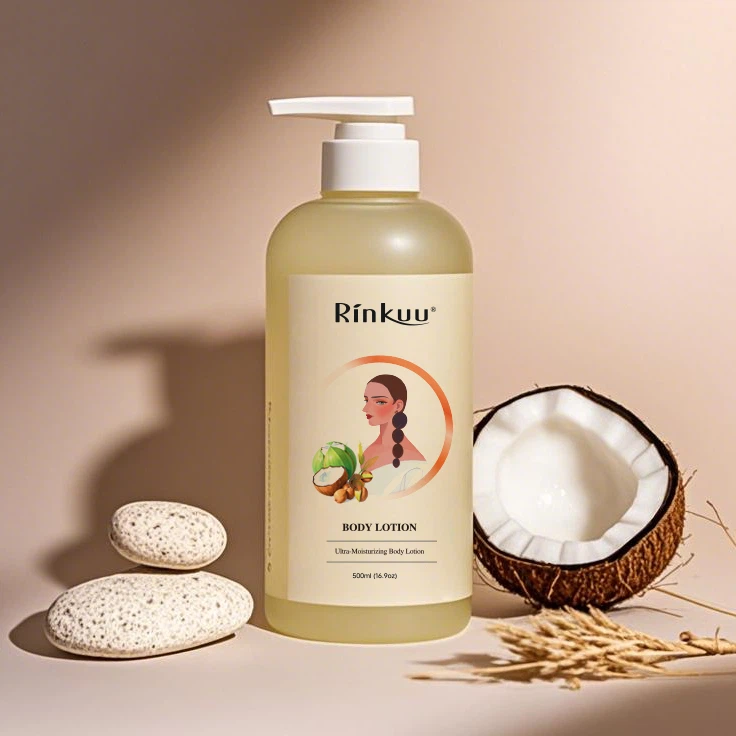
For example, coconut oil is a popular emollient in body lotions due to its rich texture and moisturizing properties. It contains medium-chain fatty acids that can penetrate the skin easily, providing long-lasting hydration. Our Coconut Scented Body Lotion is formulated with high-quality coconut oil, leaving your skin feeling soft, smooth, and smelling delicious.
Humectants
Humectants are substances that attract and retain moisture in the skin. They work by drawing water from the environment or deeper layers of the skin and binding it to the skin's surface. Common humectants found in body lotion include glycerin, hyaluronic acid, and urea.
Glycerin is one of the most widely used humectants in skincare products. It has the ability to absorb moisture from the air and keep the skin hydrated for extended periods. Our Moisturizing Shea Butter Body Lotion contains glycerin along with shea butter, a natural emollient that provides intense hydration and nourishment to the skin.

Occlusives
Occlusives are substances that form a physical barrier on the skin's surface, preventing water loss by reducing evaporation. They work by creating a waterproof layer that seals in moisture and protects the skin from external factors. Common occlusives found in body lotion include beeswax, paraffin wax, and silicone.
Paraffin wax is a popular occlusive in body lotions because it forms a protective barrier on the skin without feeling greasy. It helps to lock in moisture and keep the skin hydrated for longer periods. Our Oat Body Lotion contains a blend of oats and paraffin wax, providing soothing relief for dry, sensitive skin.
Different Types of Body Lotion
There are several different types of body lotion available, each formulated to meet the specific needs of different skin types and conditions. Here are some of the most common types:
Moisturizing Body Lotion
Moisturizing body lotion is designed to hydrate and nourish the skin, leaving it soft, smooth, and supple. It typically contains a combination of emollients, humectants, and occlusives to provide long-lasting moisture. This type of body lotion is suitable for all skin types, especially dry and normal skin.
Hydrating Body Lotion
Hydrating body lotion is similar to moisturizing body lotion but contains a higher concentration of humectants to draw more moisture into the skin. It is ideal for people with extremely dry or dehydrated skin.
Anti-Aging Body Lotion
Anti-aging body lotion is formulated with ingredients such as antioxidants, vitamins, and peptides to help reduce the appearance of fine lines, wrinkles, and age spots. It also helps to improve the skin's elasticity and firmness. This type of body lotion is suitable for mature skin.
Sensitive Skin Body Lotion
Sensitive skin body lotion is designed for people with sensitive skin that is prone to irritation, redness, and itching. It typically contains gentle, fragrance-free ingredients that are less likely to cause an allergic reaction.
Aromatherapy Body Lotion
Aromatherapy body lotion is infused with essential oils that have therapeutic properties. It not only moisturizes the skin but also provides a relaxing and rejuvenating experience. Different essential oils have different benefits, such as lavender for relaxation and eucalyptus for clearing the sinuses.
Choosing the Right Body Lotion
When choosing a body lotion, it's important to consider your skin type, concerns, and personal preferences. Here are some tips to help you choose the right body lotion for you:
- Determine your skin type: If you have dry skin, look for a body lotion that is rich in emollients and occlusives. If you have oily skin, choose a lightweight, non-greasy body lotion. If you have sensitive skin, opt for a fragrance-free and hypoallergenic body lotion.
- Consider your skin concerns: If you have specific skin concerns such as dryness, aging, or sensitivity, look for a body lotion that is formulated to address these issues. For example, if you have dry skin, choose a body lotion that contains shea butter or glycerin. If you have aging skin, look for a body lotion that contains antioxidants and vitamins.
- Read the label: Before buying a body lotion, read the label carefully to check the ingredients. Avoid body lotions that contain harsh chemicals, fragrances, and dyes that can irritate your skin.
- Test the product: If possible, test the body lotion on a small area of your skin before applying it all over your body. This will help you determine if you have any allergic reactions or sensitivities to the product.
Conclusion
Body lotion is an essential part of a healthy skincare routine. It works by replenishing the skin's moisture levels and strengthening its barrier function, leaving your skin soft, smooth, and hydrated. By understanding how body lotion works and choosing the right product for your skin type and concerns, you can achieve optimal skin health and appearance.
If you're interested in purchasing high-quality body lotion for your business, we'd love to hear from you. We offer a wide range of body lotions formulated with the finest ingredients to meet the needs of your customers. Contact us today to discuss your procurement needs and explore our product offerings.
References
- Alberts, B., Johnson, A., Lewis, J., Raff, M., Roberts, K., & Walter, P. (2002). Molecular Biology of the Cell. Garland Science.
- Fitzpatrick, T. B., Eisen, A. Z., Wolff, K., Freedberg, I. M., & Austen, K. F. (2003). Fitzpatrick's Dermatology in General Medicine. McGraw-Hill.
- Guy, R. H., & Hadgraft, J. (2002). Transdermal Drug Delivery. Marcel Dekker.