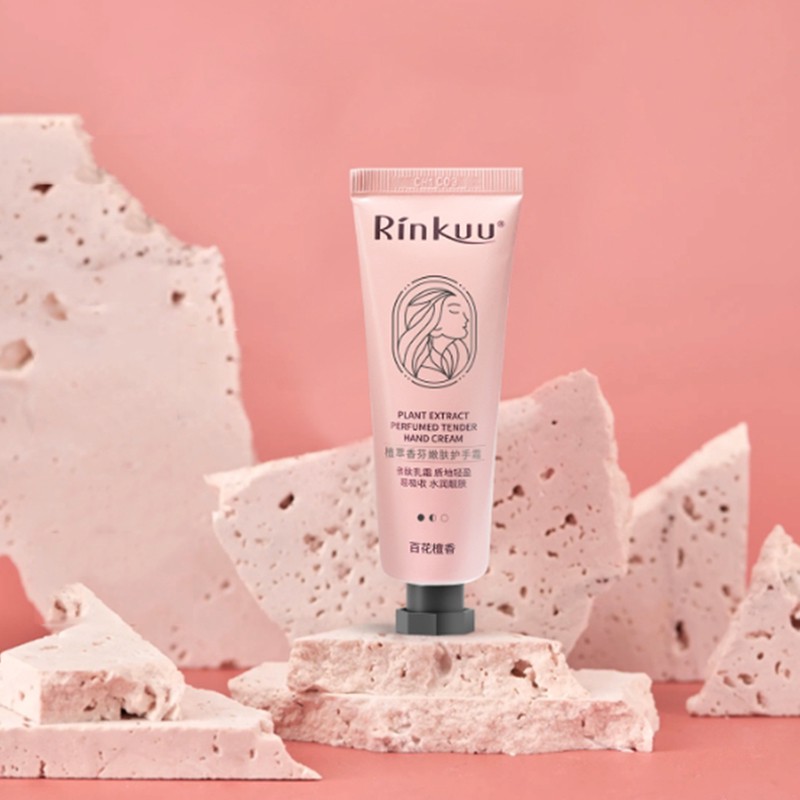
Determining whether a moisturizer is too heavy for your skin is crucial for maintaining healthy, balanced skin. As a moisturizer supplier, I've encountered numerous customers grappling with this issue. In this blog, I'll share insights on how to tell if a moisturizer is too heavy for your skin and recommend some of our high - quality products.
Understanding Skin Types
Before we dive into how to tell if a moisturizer is too heavy, it's essential to understand the different skin types. There are four main skin types: normal, dry, oily, and combination.


- Normal Skin: This skin type is well - balanced, with a good moisture level and few imperfections. People with normal skin can usually tolerate a wide range of moisturizers.
- Dry Skin: Dry skin lacks moisture and often feels tight, flaky, or rough. Those with dry skin typically need heavier, more emollient moisturizers to replenish lost moisture.
- Oily Skin: Oily skin produces an excess of sebum, leading to a shiny appearance and a tendency to develop acne. Lightweight, oil - free moisturizers are usually the best choice for oily skin.
- Combination Skin: Combination skin has both oily and dry areas. The T - zone (forehead, nose, and chin) is often oily, while the cheeks may be dry. Moisturizers for combination skin need to be formulated to address both concerns.
Signs That a Moisturizer Is Too Heavy
Now, let's look at some of the signs that a moisturizer might be too heavy for your skin:
1. Greasy or Shiny Appearance
One of the most obvious signs is a greasy or shiny look. If your skin looks like it's coated in oil shortly after applying the moisturizer, it's likely too heavy. This is especially true for people with oily or combination skin. For example, if you have oily skin and you apply a thick, cream - based moisturizer, your skin may start to look shiny within an hour or two.
2. Breakouts and Clogged Pores
Heavy moisturizers can clog pores, leading to breakouts. If you notice an increase in acne or blackheads after starting to use a new moisturizer, it could be too heavy for your skin. The thick consistency of the moisturizer may prevent the skin from breathing properly, causing bacteria to build up in the pores.
3. Feeling of Tightness or Discomfort
Paradoxically, a heavy moisturizer can sometimes make your skin feel tight. This is because the heavy formula may not allow the skin to absorb the moisture properly, leaving a film on the surface. If you feel like your skin is being suffocated or if there's a persistent feeling of discomfort after applying the moisturizer, it's a sign that it's too heavy.
4. Difficulty in Absorption
If the moisturizer sits on top of your skin for a long time and doesn't seem to absorb, it's too heavy. A good moisturizer should be absorbed quickly, leaving your skin feeling soft and smooth. If you find yourself rubbing the moisturizer in for minutes and it still hasn't fully absorbed, it's time to switch to a lighter formula.
Our Recommended Moisturizers
As a moisturizer supplier, we offer a range of products suitable for different skin types. Here are some of our top - selling moisturizers:
- Coconut Oatmeal Hydrating Facial Cream: This cream is perfect for dry skin. It contains coconut oil and oatmeal, which are known for their hydrating and soothing properties. The formula is rich but not overly heavy, so it can deeply moisturize the skin without leaving a greasy residue.
- Best Collagen Cream: Ideal for normal to combination skin, this cream helps to boost collagen production, giving the skin a more youthful appearance. It has a balanced formula that provides just the right amount of moisture without being too heavy.
- Vitamin E Moisture Day Cream: Designed for oily skin, this lightweight cream is enriched with vitamin E, which has antioxidant properties. It hydrates the skin without adding extra oil, making it suitable for daily use.
How to Choose the Right Moisturizer
When choosing a moisturizer, consider the following factors:
1. Skin Type
As mentioned earlier, your skin type plays a crucial role in determining the right moisturizer. Choose a product that is specifically formulated for your skin type to ensure optimal results.
2. Ingredients
Look for moisturizers with natural ingredients such as aloe vera, shea butter, and hyaluronic acid. These ingredients are gentle on the skin and provide effective hydration. Avoid products that contain harsh chemicals or fragrances, as these can irritate the skin.
3. Seasonal Changes
Your skin's needs can change with the seasons. In the winter, you may need a heavier moisturizer to combat dryness, while in the summer, a lighter formula may be more appropriate.
Conclusion
Figuring out if a moisturizer is too heavy for your skin is an important step in maintaining healthy skin. By paying attention to the signs and choosing the right product for your skin type, you can keep your skin hydrated and balanced. As a moisturizer supplier, we are committed to providing high - quality products that meet the diverse needs of our customers.
If you're interested in learning more about our moisturizers or would like to discuss potential procurement opportunities, we encourage you to reach out to us. Our team of experts is ready to assist you in finding the perfect moisturizer for your business.
References
- Fitzpatrick, T. B. (1988). The validity and practicality of sun - reactive skin types I through VI. Archives of dermatology, 124(6), 869 - 871.
- Kligman, A. M. (1979). The influence of aging on the skin. Clinics in geriatric medicine, 5(2), 245 - 260.
- Wilhelm, K. P., & Maibach, H. I. (2000). Aging skin: surface topography and moisture. Dermatology, 200(1), 3 - 8.