Conditioners are a staple in many people's hair care routines, promising to leave hair soft, smooth, and manageable. However, there's a growing concern among consumers about whether conditioners contain harmful chemicals. As a conditioner supplier, I understand these concerns and am here to shed some light on the topic.
Common Chemicals in Conditioners and Their Functions
Let's first take a look at some of the common chemicals found in conditioners and what they do.
Silicones: Silicones are widely used in conditioners. They create a smooth, shiny coating on the hair shaft, which helps to reduce frizz and make hair easier to comb through. For example, dimethicone is a common silicone used in many hair products. While some people worry that silicones can build up on the hair and make it look greasy, they are generally considered safe by regulatory bodies.
Parabens: Parabens are used as preservatives in conditioners to prevent the growth of bacteria, fungi, and other microorganisms. They have been used in the cosmetic industry for decades. However, there has been some controversy surrounding parabens. Some studies have suggested a possible link between parabens and certain health issues, such as breast cancer. But it's important to note that the levels of parabens used in cosmetics are regulated, and many manufacturers are now offering paraben - free products in response to consumer concerns.
Sulfates: Sulfates, like sodium lauryl sulfate (SLS) and sodium laureth sulfate (SLES), are often used in shampoos but can also be found in some conditioners. They are known for their cleansing properties. However, sulfates can be harsh on the hair and scalp, stripping away natural oils. This can lead to dryness, irritation, and damage over time. Many conditioner formulations now avoid using sulfates, especially in products targeted at people with sensitive skin or damaged hair.
Analyzing the Safety of Conditioner Chemicals
To determine whether the chemicals in conditioners are harmful, we need to look at the scientific evidence. Regulatory agencies such as the U.S. Food and Drug Administration (FDA) and the European Union's Cosmetics Regulation have established safety standards for cosmetic ingredients. Most of the chemicals used in conditioners are within the safety limits set by these agencies.
For instance, the amount of parabens allowed in cosmetics is strictly regulated. The European Union has set a maximum concentration for parabens in cosmetic products, and manufacturers must ensure that their products comply with these regulations. In addition, many studies have been conducted on the safety of common conditioner ingredients, and the majority of these studies have found that when used as directed, these chemicals do not pose a significant risk to human health.
However, individual sensitivities can vary. Some people may have allergic reactions or sensitivities to certain chemicals in conditioners. For example, someone with a silicone allergy may experience itching, redness, or swelling after using a conditioner containing silicones. In such cases, it's important for consumers to read product labels carefully and choose products that are free of the ingredients they are sensitive to.
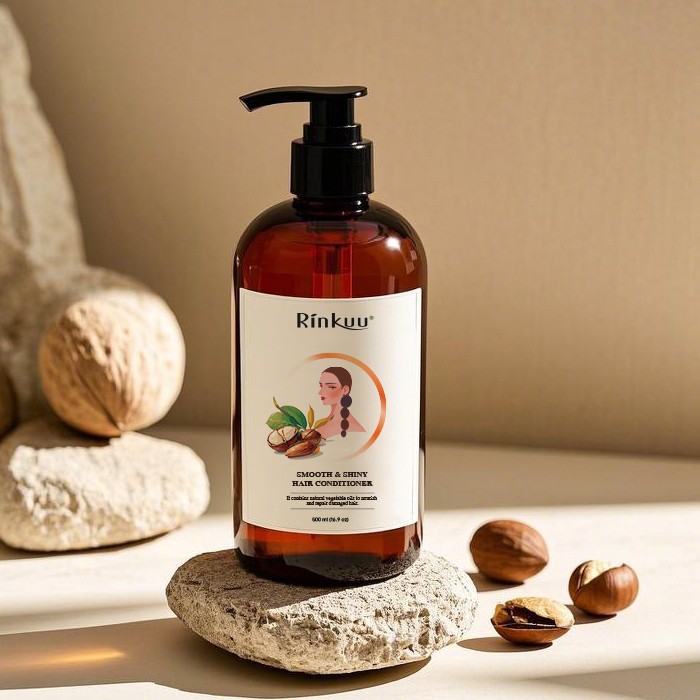

Our Product Line: Safe and Effective Conditioners
At our company, we are committed to providing high - quality conditioners that are both safe and effective. We understand the concerns of our customers about harmful chemicals, and we have taken steps to address these concerns in our product formulations.
We offer a range of conditioners, including the Herbal Essences Coconut Milk Conditioner. This conditioner is formulated with natural ingredients, such as coconut milk, which is rich in vitamins and minerals that nourish the hair. It is free of parabens, sulfates, and other harsh chemicals, making it a great choice for those with sensitive hair and scalp.
Another popular product in our line is the Herbal Essences Avocado Conditioner. Avocado is known for its moisturizing properties, and this conditioner uses avocado oil to deeply hydrate and repair damaged hair. Like our other products, it is designed to be gentle on the hair and scalp while still providing excellent conditioning results.
We also have the Moroccan Argan Oil Conditioner. Argan oil is a natural oil that is rich in antioxidants and fatty acids. It helps to strengthen the hair, reduce frizz, and add shine. Our Moroccan Argan Oil Conditioner is formulated to deliver all the benefits of argan oil without the use of harmful chemicals.
The Future of Conditioner Formulations
As consumer awareness about the potential risks of certain chemicals in cosmetics continues to grow, the future of conditioner formulations is likely to focus more on natural and organic ingredients. Many manufacturers are already investing in research and development to find alternative ingredients that can provide the same benefits as traditional chemicals without the associated risks.
For example, there is a growing interest in using plant - based extracts and essential oils in conditioner formulations. These ingredients not only offer conditioning benefits but also have other advantages, such as anti - inflammatory and antibacterial properties. In addition, advancements in technology are allowing for the development of more sustainable and eco - friendly manufacturing processes, which is another important consideration for consumers.
Conclusion and Call to Action
In conclusion, while there are some concerns about the chemicals in conditioners, most of these chemicals are safe when used as directed and within the regulatory limits. However, we understand that some consumers prefer to use products that are free of certain chemicals, and that's why we offer a range of natural and chemical - free conditioners.
If you're interested in learning more about our conditioner products or would like to discuss a potential purchase, we encourage you to reach out to us. We're here to answer any questions you may have and to help you find the perfect conditioner for your hair type and needs. Whether you have dry, damaged hair or are simply looking for a gentle, natural conditioner, we have a product that's right for you.
References
- European Union Cosmetics Regulation.
- U.S. Food and Drug Administration (FDA) guidelines on cosmetic ingredients.
- Various scientific studies on the safety of cosmetic ingredients, including those on parabens, silicones, and sulfates.