Do body lotions have anti-aging properties? That's a question I get asked a lot as a body lotion supplier. And let me tell you, it's a topic that's super relevant these days. Everyone wants to look and feel their best, and they're constantly on the hunt for products that can help them turn back the clock. So, let's dive right in and explore whether body lotions can really deliver on the anti-aging front.
First off, let's understand what aging does to our skin. As we get older, our skin goes through some major changes. It loses its elasticity, becomes thinner, and develops fine lines and wrinkles. These changes are caused by a combination of factors, including genetics, sun exposure, lifestyle choices, and the natural aging process. The skin's ability to retain moisture also decreases, leading to dryness and a dull complexion.
Now, here's where body lotions come in. The primary function of a body lotion is to moisturize the skin. By hydrating the skin, lotions can help improve its texture and appearance. When the skin is well - moisturized, it looks plumper and smoother, which can make fine lines and wrinkles less noticeable. But does that mean they have anti - aging properties? Well, it depends on the ingredients.

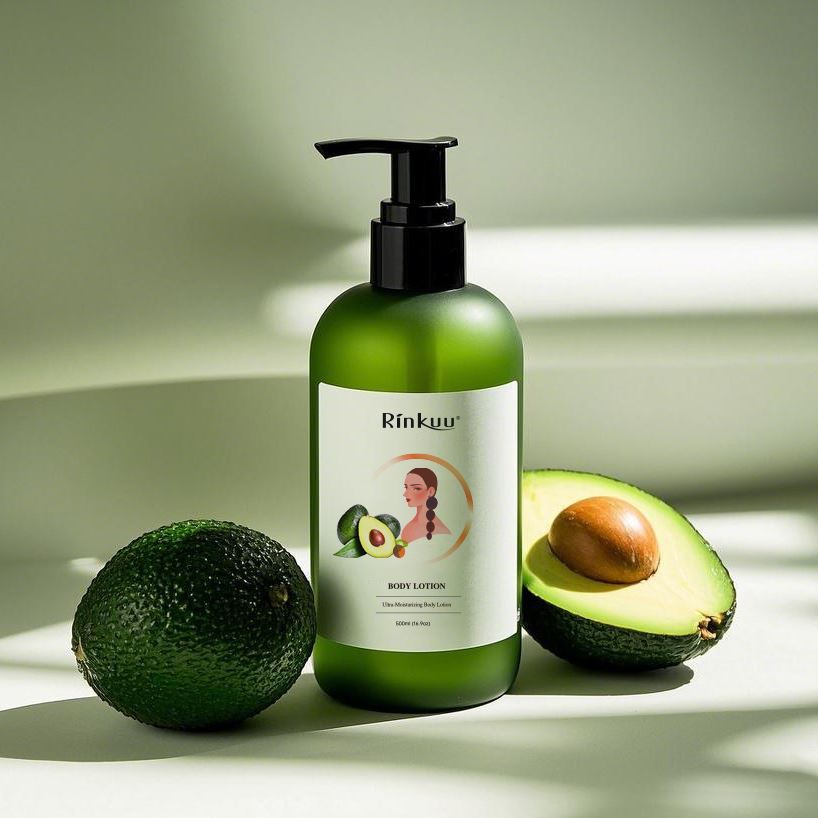
Some body lotions are formulated with ingredients that are known for their anti - aging benefits. For example, antioxidants are a big deal in the anti - aging world. Antioxidants like vitamin C, vitamin E, and green tea extract can help protect the skin from free radicals. Free radicals are unstable molecules that can damage skin cells and accelerate the aging process. By neutralizing these free radicals, antioxidants can help keep the skin looking youthful.
Our Moisturizing Vitamin E Body Lotion is a great example. Vitamin E is a powerful antioxidant that not only helps protect the skin from oxidative stress but also promotes skin repair. It can improve the skin's barrier function, which means it can better retain moisture. This results in softer, smoother, and more supple skin over time.
Another ingredient that's often associated with anti - aging is shea butter. Shea butter is rich in fatty acids and vitamins, such as vitamin A and vitamin E. These nutrients can nourish the skin, improve its elasticity, and reduce the appearance of stretch marks and scars. Our Moisturizing Shea Butter Body Lotion is packed with shea butter, which deeply moisturizes the skin and helps it maintain its natural moisture balance. This can give the skin a more youthful and radiant look.
Coconut oil is also a popular ingredient in body lotions. It has antibacterial and anti - inflammatory properties, which can help keep the skin healthy. Coconut oil can penetrate the skin easily, providing long - lasting moisture. Our Coconut Scented Body Lotion not only smells amazing but also helps keep the skin hydrated and soft. The regular use of coconut - based lotions can contribute to a more even skin tone and a reduction in the appearance of age - related discoloration.
However, it's important to note that while body lotions can help improve the appearance of the skin, they're not a magic bullet for anti - aging. They work best when combined with a healthy lifestyle. Eating a balanced diet rich in fruits, vegetables, and healthy fats, getting enough sleep, and protecting your skin from the sun are all crucial for maintaining youthful - looking skin.
Sun protection is especially important. The sun's UV rays are one of the main causes of premature aging. Even if you're using a body lotion with anti - aging ingredients, if you're not wearing sunscreen, you're undoing a lot of the good work. So, always wear a broad - spectrum sunscreen with an SPF of at least 30 when you're going outside.
Now, let's talk about how to choose the right body lotion for anti - aging. When you're shopping for a body lotion, look for products that list anti - aging ingredients on the label. Read the ingredients list carefully and avoid lotions that contain harsh chemicals, such as parabens and sulfates. These chemicals can strip the skin of its natural oils and cause irritation, which can actually accelerate the aging process.
It's also a good idea to test the lotion on a small patch of skin first to make sure you don't have an allergic reaction. Some people may be sensitive to certain ingredients, so it's better to be safe than sorry.
As a body lotion supplier, I've seen firsthand the difference that a good body lotion can make. Our customers often tell us how much they love the way our lotions make their skin feel and look. They notice that their skin is softer, smoother, and more hydrated, and over time, they see a reduction in the appearance of fine lines and wrinkles.
If you're interested in incorporating anti - aging body lotions into your skincare routine, we'd love to hear from you. Whether you're a retailer looking to stock our products or an individual interested in purchasing in bulk, we're here to help. We offer high - quality body lotions at competitive prices, and we're committed to providing excellent customer service.
In conclusion, body lotions can have anti - aging properties, especially those formulated with ingredients like antioxidants, shea butter, and coconut oil. While they're not a substitute for a healthy lifestyle, they can certainly play an important role in maintaining youthful - looking skin. So, if you're looking for a way to keep your skin looking its best, give our body lotions a try.
References
- Carr AC, Frei B. Toward a new recommended dietary allowance for vitamin C based on antioxidant and health effects in humans. Am J Clin Nutr. 1999;69(6):1086 - 1107.
- Traber MG, Atkinson J. Vitamin E, antioxidant and nothing more. Free Radic Biol Med. 2007;43(1):4 - 15.
- Kwe YM, Kim YC, Kim YM, et al. Shea butter: a literature review of its chemistry, technology, and use in dermatology. Skinmed. 2016;14(2):78 - 84.