Can body wash remove sunblock? This is a question that many people, especially those who are conscious about skin care and daily hygiene, often ask. As a body wash supplier, I've delved deep into this topic to understand the science behind it and how our products can effectively tackle the issue of sunblock removal.
Sunblock, also known as sunscreen, is a crucial part of our daily skincare routine. It protects our skin from the harmful ultraviolet (UV) rays of the sun, which can cause sunburn, premature aging, and even skin cancer. However, once the sun protection is no longer needed, it's essential to remove the sunblock properly. Leaving sunblock on the skin for an extended period can clog pores, leading to breakouts and other skin problems.
To understand whether body wash can remove sunblock, we first need to look at the composition of sunblock. Most sunblocks contain a combination of chemical and physical filters. Chemical sunscreens work by absorbing UV rays and converting them into heat, which is then released from the skin. Physical sunscreens, on the other hand, sit on top of the skin and reflect or scatter UV rays. These ingredients are often formulated to be water - resistant, which means they adhere well to the skin and can be challenging to remove.
Our body washes are specifically designed to address these challenges. Let's take a look at some of our key products and how they can help in removing sunblock.
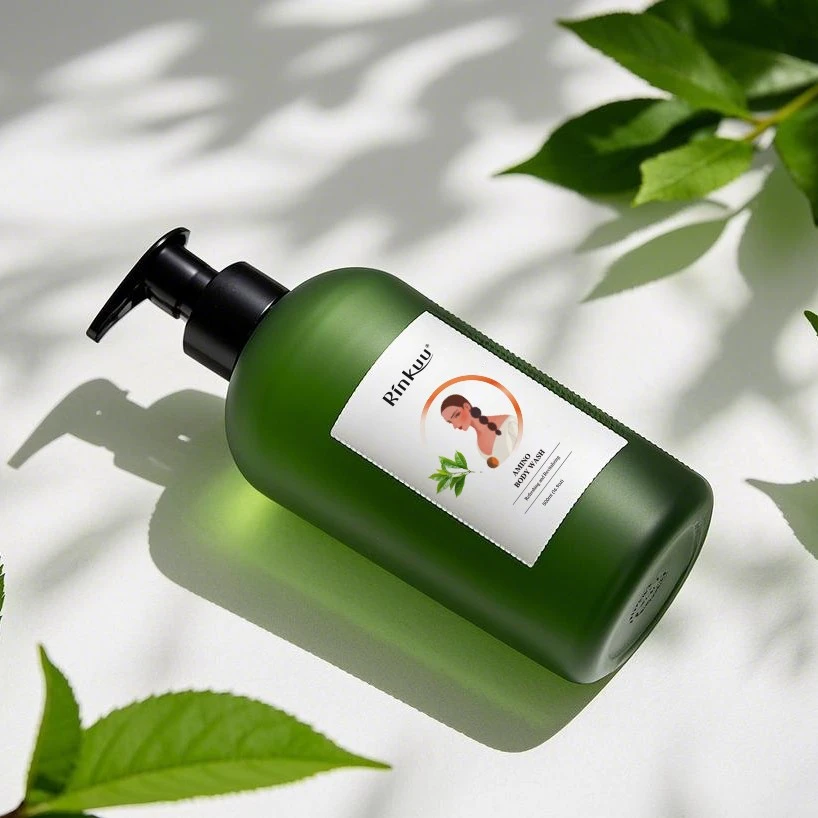
The All Natural Tea Tree Body Wash is a great option for sunblock removal. Tea tree oil has natural antibacterial and antifungal properties. It can penetrate the skin's surface and break down the bonds that hold the sunblock ingredients to the skin. The natural surfactants in this body wash create a rich lather that helps to lift the sunblock particles from the skin. When you use this body wash, you'll notice that it not only removes the sunblock but also leaves your skin feeling clean and refreshed. The all - natural formula is gentle on the skin, making it suitable for all skin types, including sensitive skin.
Another product in our range is the Moisturizing Shea Butter Body Wash. Shea butter is a well - known moisturizer that can also aid in sunblock removal. It has emollient properties that can soften the skin and make it easier to remove the sunblock. The body wash contains a blend of cleansing agents that work together to dissolve the sunblock. After using this body wash, your skin will not only be free of sunblock but also deeply moisturized. This is especially important as sunblock removal can sometimes strip the skin of its natural oils, and the shea butter helps to replenish them.
For those who prefer a more antibacterial option, the Antibacterial Liquid Sulfur Soap is an excellent choice. Sulfur has long been used in skincare for its antibacterial and exfoliating properties. It can break down the sunblock film on the skin and also help to remove any dead skin cells that may be holding onto the sunblock. This body wash is particularly effective for oily or acne - prone skin, as it can also help to control sebum production while removing the sunblock.
Now, let's talk about the science behind how body washes work to remove sunblock. Body washes contain surfactants, which are molecules with a hydrophilic (water - loving) head and a hydrophobic (water - hating) tail. When you apply the body wash to your skin, the hydrophobic tails of the surfactants attach to the sunblock particles, which are often oily or waxy. The hydrophilic heads then interact with water, allowing the sunblock particles to be rinsed away.

However, the effectiveness of sunblock removal also depends on how you use the body wash. It's important to apply the body wash generously to the areas where sunblock has been applied. Rub the body wash gently in circular motions for at least 30 seconds to a minute. This helps to ensure that the surfactants have enough time to break down the sunblock. Then, rinse thoroughly with warm water. Warm water can help to open up the pores, making it easier for the sunblock to be removed.
In addition to the product itself, the quality of water can also play a role. Hard water, which contains high levels of minerals such as calcium and magnesium, can reduce the effectiveness of body washes. The minerals in hard water can react with the surfactants in the body wash, forming insoluble compounds that can prevent the body wash from working as effectively. If you live in an area with hard water, you may need to use a bit more body wash or consider using a water softener.
It's also worth noting that some sunblocks are more difficult to remove than others. High - SPF, water - resistant sunscreens are typically more challenging to wash off because they are designed to stay on the skin for an extended period. In these cases, using a body wash with stronger cleansing properties, such as our Antibacterial Liquid Sulfur Soap, may be more effective.
As a body wash supplier, we are committed to providing high - quality products that not only remove sunblock effectively but also take care of your skin. Our products are carefully formulated using the latest scientific research and high - quality ingredients. We understand that different skin types have different needs, and that's why we offer a range of body washes to suit everyone.
If you're interested in learning more about our body washes or are looking to place a bulk order for your business, we'd love to hear from you. Our products are suitable for a variety of applications, including personal use, spas, and hotels. Whether you're a retailer looking to stock our products or a consumer interested in trying them out, we can provide you with the information and support you need.
We believe that proper sunblock removal is an important part of maintaining healthy skin. By choosing the right body wash, you can ensure that your skin is clean, protected, and free from the potential negative effects of leaving sunblock on for too long. So, if you have any questions or would like to discuss purchasing our body washes, please don't hesitate to reach out. We're here to help you make the best choice for your skin and your business.
References
- "The Chemistry of Sunscreens" - Journal of Chemical Education
- "Skin Cleansing: Ingredients and Mechanisms" - Dermatology Times
- "The Role of Surfactants in Skin Cleansing" - International Journal of Cosmetic Science